
TEPCO commences sixth ALPS treated water discharge for fiscal year 2026


TOKYO: Tokyo Electric Power Company Holdings, Inc. (TEPCO) on Monday announced it has commenced the sixth discharge of ALPS treated water into the sea for the 2026 fiscal year.
This operation, which marks the 24th overall discharge, began on October 5, 2026, at 11:21 a.m.
According to TEPCO, the planned discharge period runs from October 5 through October 23, 2026. The company expects to release approximately 7,800 cubic meters of treated water, with a planned tritium discharge volume of about 1.2 terabecquerels.
The Fukushima nuclear disaster began on March 11, 2011, when a 9.0 magnitude earthquake and tsunami disabled the Fukushima Daiichi power plant. The loss of cooling systems caused three reactor meltdowns and hydrogen explosions, leading to a Level 7 event on the International Nuclear Event Scale. Radioactive material was released into the environment, forcing over 100,000 people to evacuate. While there were no immediate radiation-related deaths, the evacuation caused thousands of disaster-related fatalities. Decommissioning and cleanup are expected to last 30 to 40 years, and treated wastewater is currently being discharged into the Pacific Ocean under international oversight.
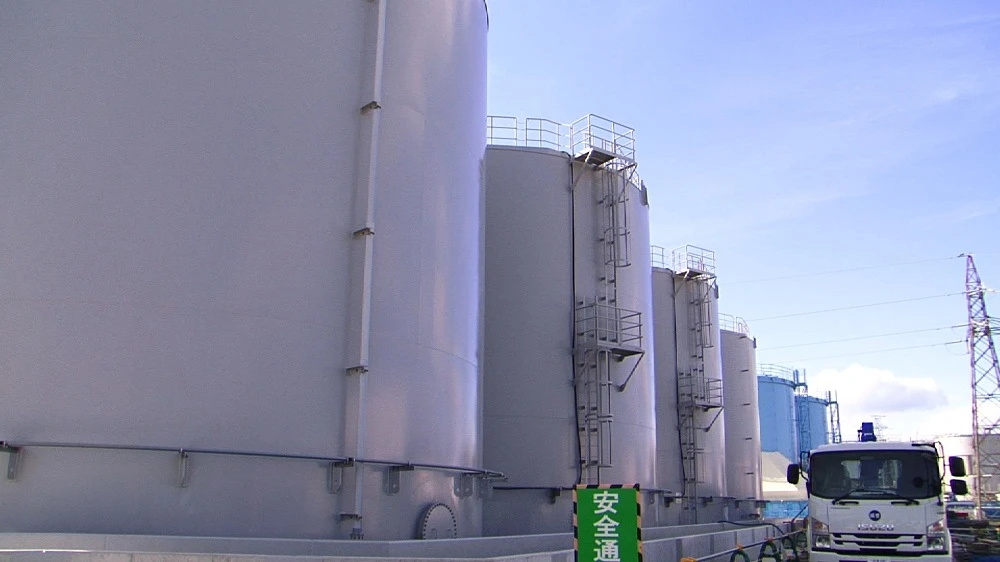
The Advanced Liquid Processing System (ALPS) at the Fukushima Daiichi Nuclear Power Station purifies contaminated wastewater originating from reactor cooling, groundwater, and rainwater. The system removes 62 radioactive isotopes using chemical co-precipitation and adsorption methods, though it cannot remove tritium because its chemical properties are similar to regular water. To manage this, the treated water is diluted with seawater before release, reducing tritium concentrations to below 1/40th of Japanese regulatory standards. This entire process operates under International Atomic Energy Agency monitoring to ensure compliance with international safety standards. The primary purpose of this discharge is to free up critical space on the plant site, which is necessary to support the long-term decommissioning of the station.
TEPCO reported on Monday (October 4) that the tritium concentration after dilution is approximately 200 becquerels per liter. This level is significantly lower than the regulatory concentration limit of 60,000 becquerels per liter, the World Health Organization standard for drinking water quality of 10,000 becquerels per liter, and the government policy value of 1,500 becquerels per liter.
In preparation for this discharge, TEPCO said it completed the transfer of ALPS treated water from the H2 area Group B and K1 area Group C/D to the measurement and confirmation facility tank group A on August 6, 2026. Analysis of samples taken on August 24, 2026, confirmed that the water meets all government regulatory standards.
To ensure safety, TEPCO stressed it continues to monitor tritium concentrations daily through samples taken from seawater pipes. Additionally, the company is conducting seawater sampling at 10 locations within 3 kilometers and 4 locations within a 10-kilometer square in front of the power station. TEPCO stated that these measures allow for the quick acquisition of tritium concentration data, confirming that levels remain below both discharge suspension and investigation thresholds.
TEPCO emphasized that it will remain vigilant to ensure the safe and stable discharge of the treated water into the sea.