
Vietnam offshore energy rush intensifies amid Middle East instability: Report


TOKYO: New oil and gas projects are proliferating off the coast of Vietnam as international firms compete to tap into Southeast Asia's rich reserves. This development surge is driven by rising domestic demand and global energy supply concerns.
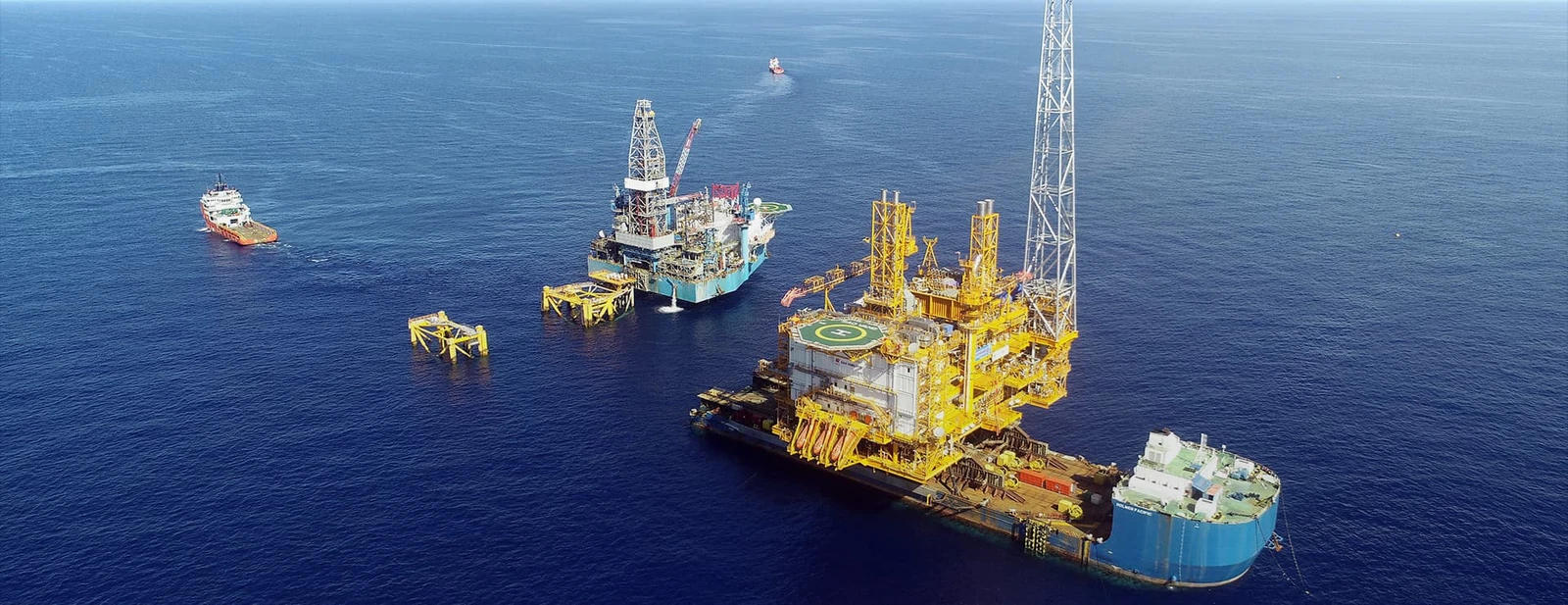
According to a report by Nikkei, this activity is being pushed even higher by Middle East tensions. At the center of this activity is the Sao Vang-Dai Nguyet gas field, operated by Japan's Idemitsu Kosan, which represents an investment exceeding 100 billion yen. Located 350 kilometers off the coast of southern Vietnam, the field began production in 2020 and currently extracts roughly 4 million cubic meters of gas per day. Seven wellheads are currently in operation, with the platform designed to accommodate five additional wellheads for future drilling.
The sector involves a wide range of international players. Companies mentioned in the report include Idemitsu Kosan, Murphy Oil, SK Group, ExxonMobil, Mitsui Oil Exploration, Mitsui & Co., Marubeni, and the Russian state oil company Zarubezhneft.
These projects operate within a complex geopolitical landscape. The Sao Vang-Dai Nguyet gas field is situated near China's nine-dash line, a unilaterally asserted boundary claim in the South China Sea, where Jamie McPherson, the head of production operations, noted that suspicious vessels appear almost every day. Furthermore, the reliance on imported liquefied natural gas poses risks, as these imports are vulnerable to price fluctuations and geopolitical shocks, such as the volatility seen after the start of the Iran war. This makes the development of domestic gas resources essential for a stable electricity supply.
For the Vietnamese government, these projects are critical to energy security as domestic coal and hydropower output declines. The rapid expansion has intensified competition for skilled labor, with U.S. companies using high salaries to poach experienced workers. A source at Idemitsu told Nikkei that some employees even take recruiting calls in the office during work hours. While the government plans to expand gas-fired power capacity to 37 GW by 2030, profitability remains a challenge, as new reserves are increasingly located in deeper, more remote waters that require higher capital expenditure.