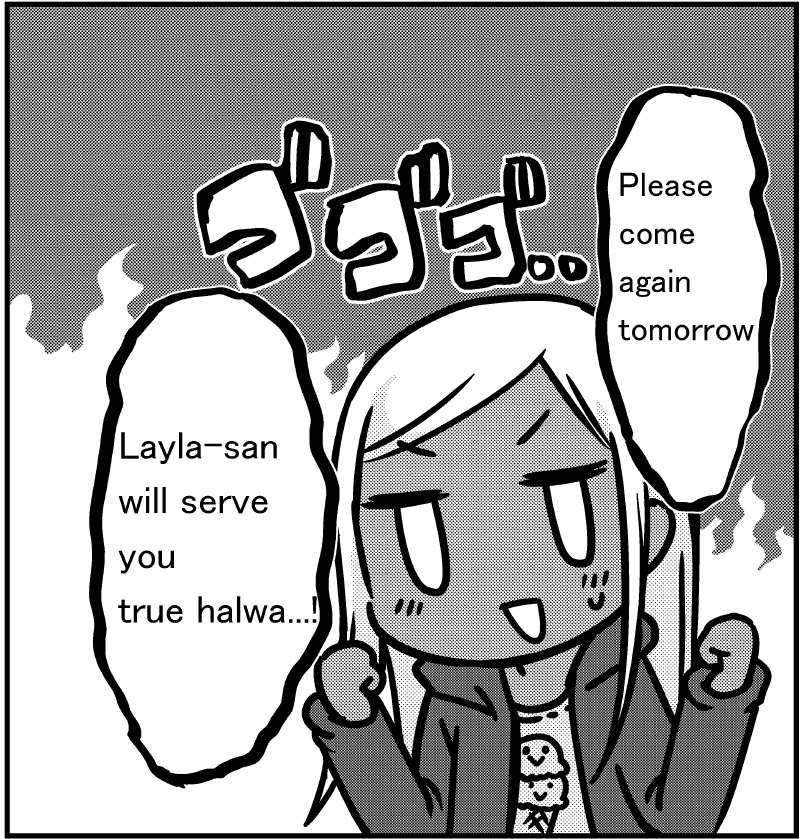

'Learning Arabic Sweet's with Layla-san Halwa Introduction’: A trip to Arab culture through manga



DUBAI: ‘Learning Arabic Sweet's with Layla-san Halwa Introduction’ is the new manga short by Shirakawa Seibei, a Japanese writer who traveled to the Middle East multiple times.
He previously launched a self-published manga titled ‘Learning Arabic coffee culture with Layla-san’ along with manga artist Nishimaya Yuichi, where he worked on the art style and content planning for the manga.
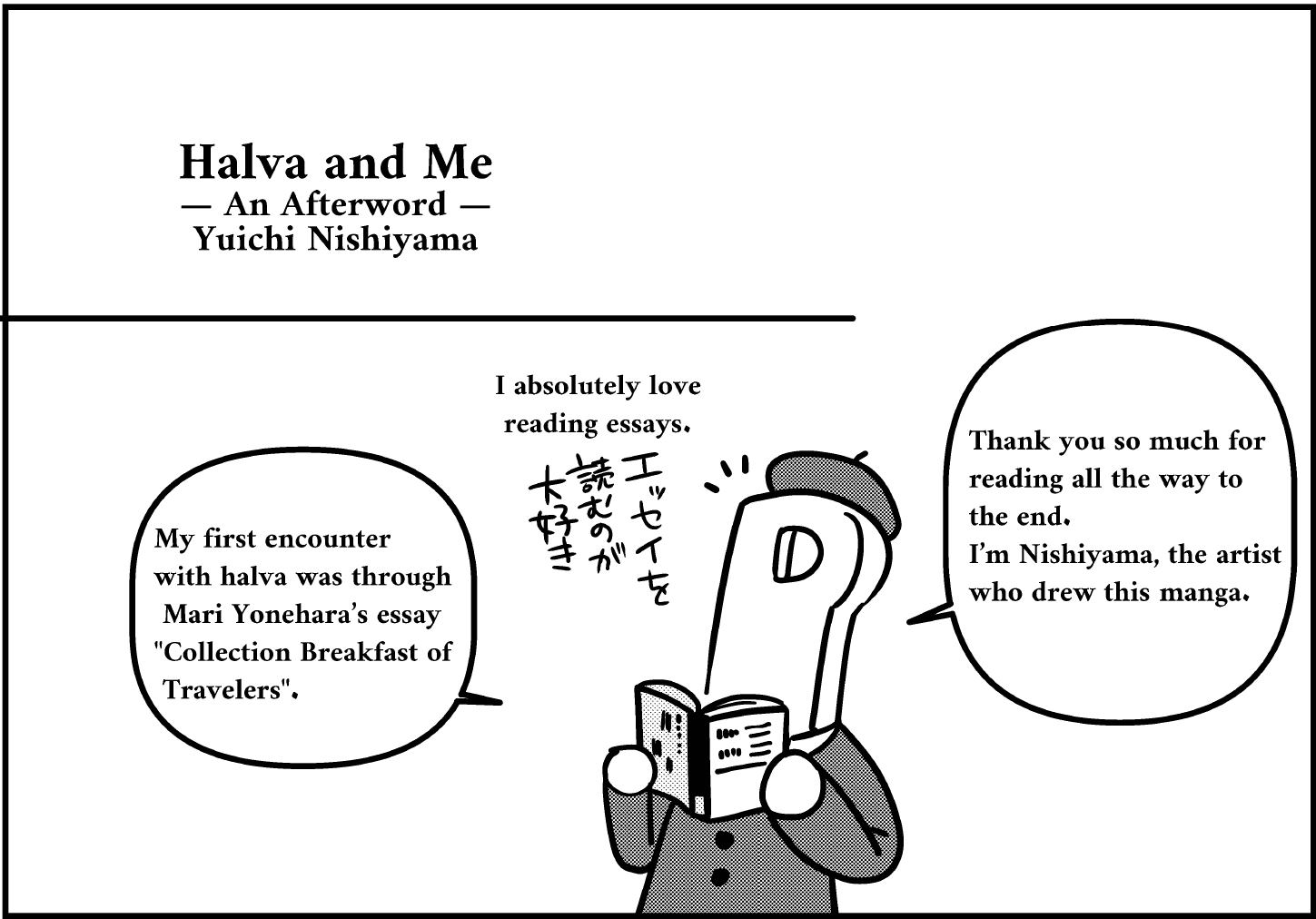
Yuichi’s first encounter with Halva was through Mari Yonehara’s essay “Collection Breakfast of Travelers," a series of food-related stories written by an interpreter who traveled all over the world.
One of the sections of the essay that mentioned halva is titled “The Territory of Turkish Honey Candy," where she mentioned the halva that she shared with a friend for the first time as something incredibly delicious; however, she couldn’t find the same halva again for a very long time.
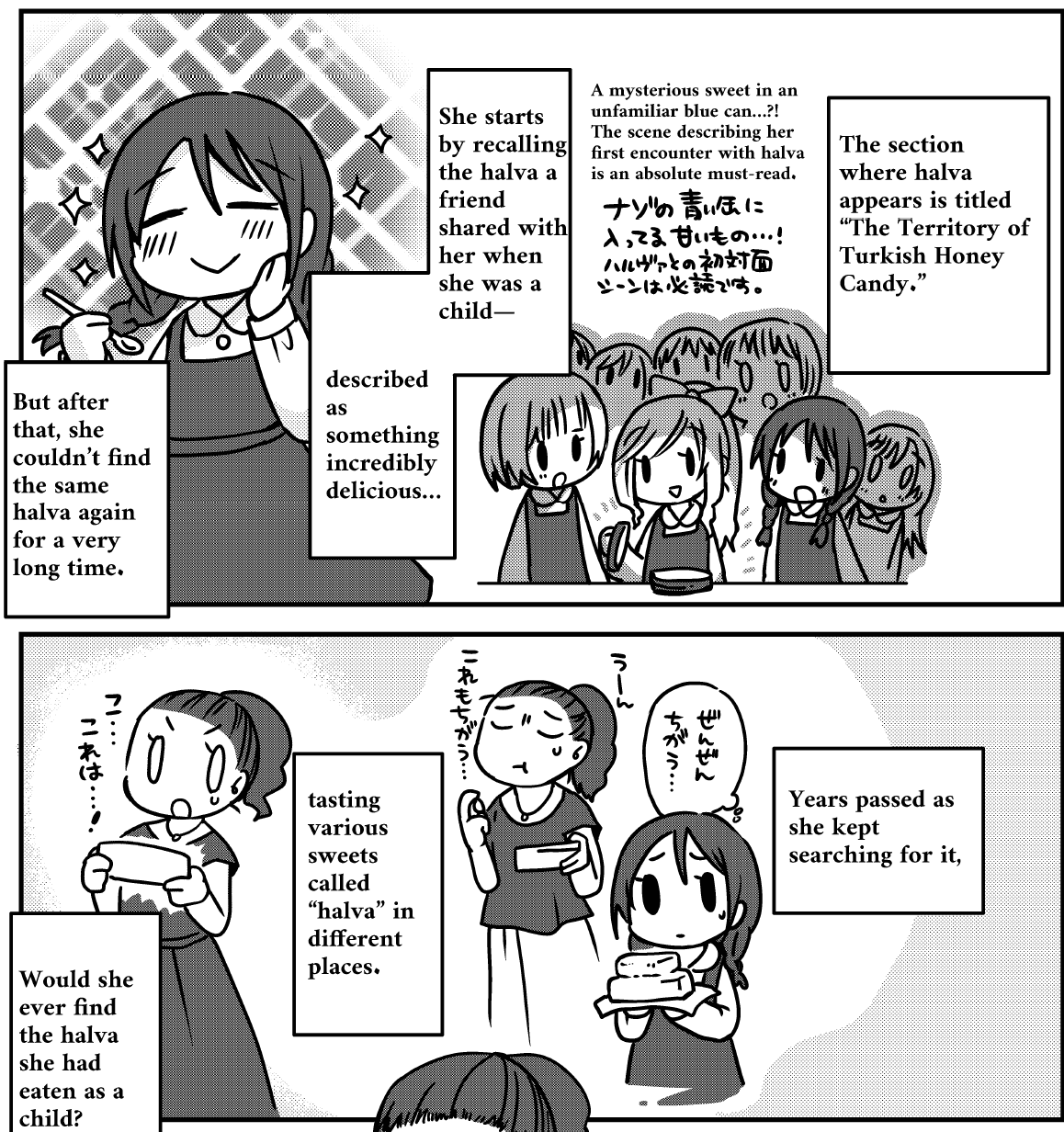
Yonehara started tasting various sweets called "halva" in different places around the world and wrote his essay with passion.
Yuichi was very interested and ambitious about trying Middle Eastern sweets following reading Yonehara’s essay.
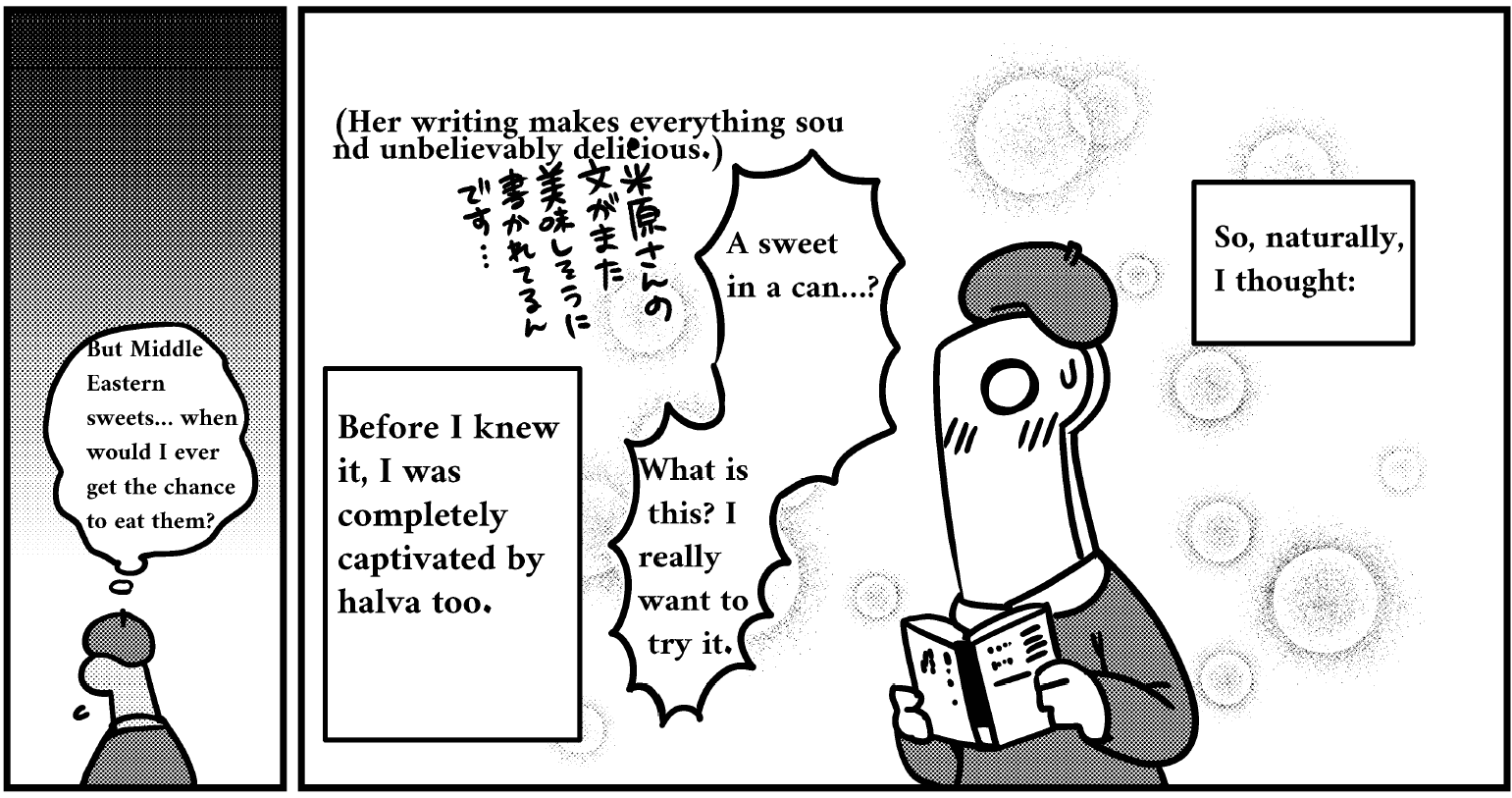
Then one day, through a connection with Laila, Yuichi ended up working on a manga about Arabic coffee, and he was impressed by Shirakawa-san for getting him the halva that he had admired for a long time. The moment he tasted the halva, he felt like sharing that scene of wonder with Yonehara across time.
Yuichi included his detailed thoughts in the main story with Laila-san so that everyone can read it.
In this manga, Layla-san explains the origins and varieties of halva across the Arabian Peninsula, the GCC, and North Africa, as well as its main ingredients, in a fun and educational way.
The manga is a doujinshi, a self-published work that caters to a specific audience. Seibei’s doujinshi is based on a character from the Japanese video game ‘Idolmaster Cinderella Girls.’ In the game series, Layla-san is the daughter of a rich man from Dubai. She moved to Japan to work as an idol, and she recently got a job as a singer and released a CD. She has also started performing live, and life is getting busier for her. She loves ice cream and also Dubai sweets.
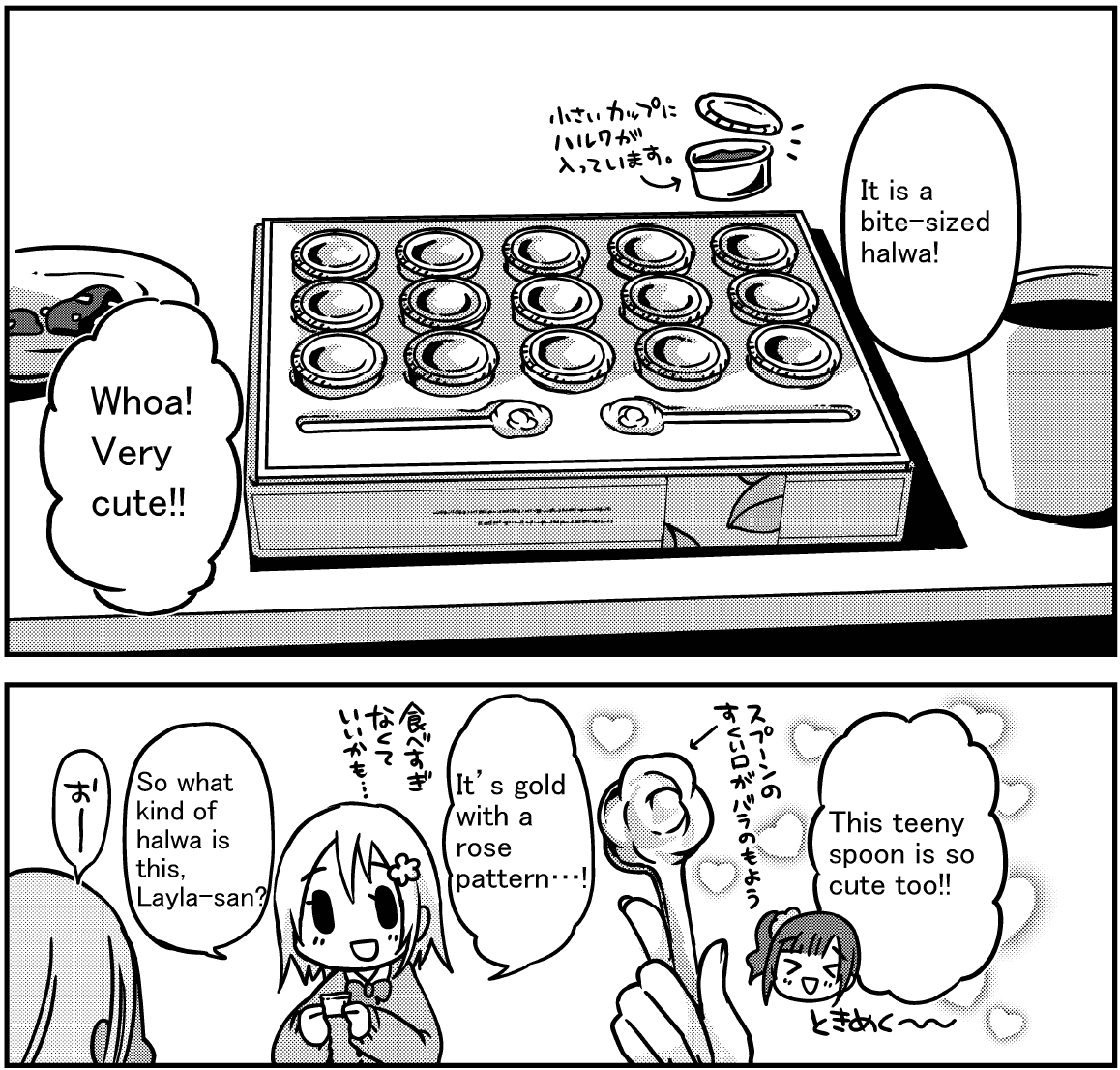
In the manga, Layla-san shares her love and passion for Arabian sweets and explains the differences between Halwa, Halva, and Lahash (or Rahash) in terms of texture, ingredients, and taste.
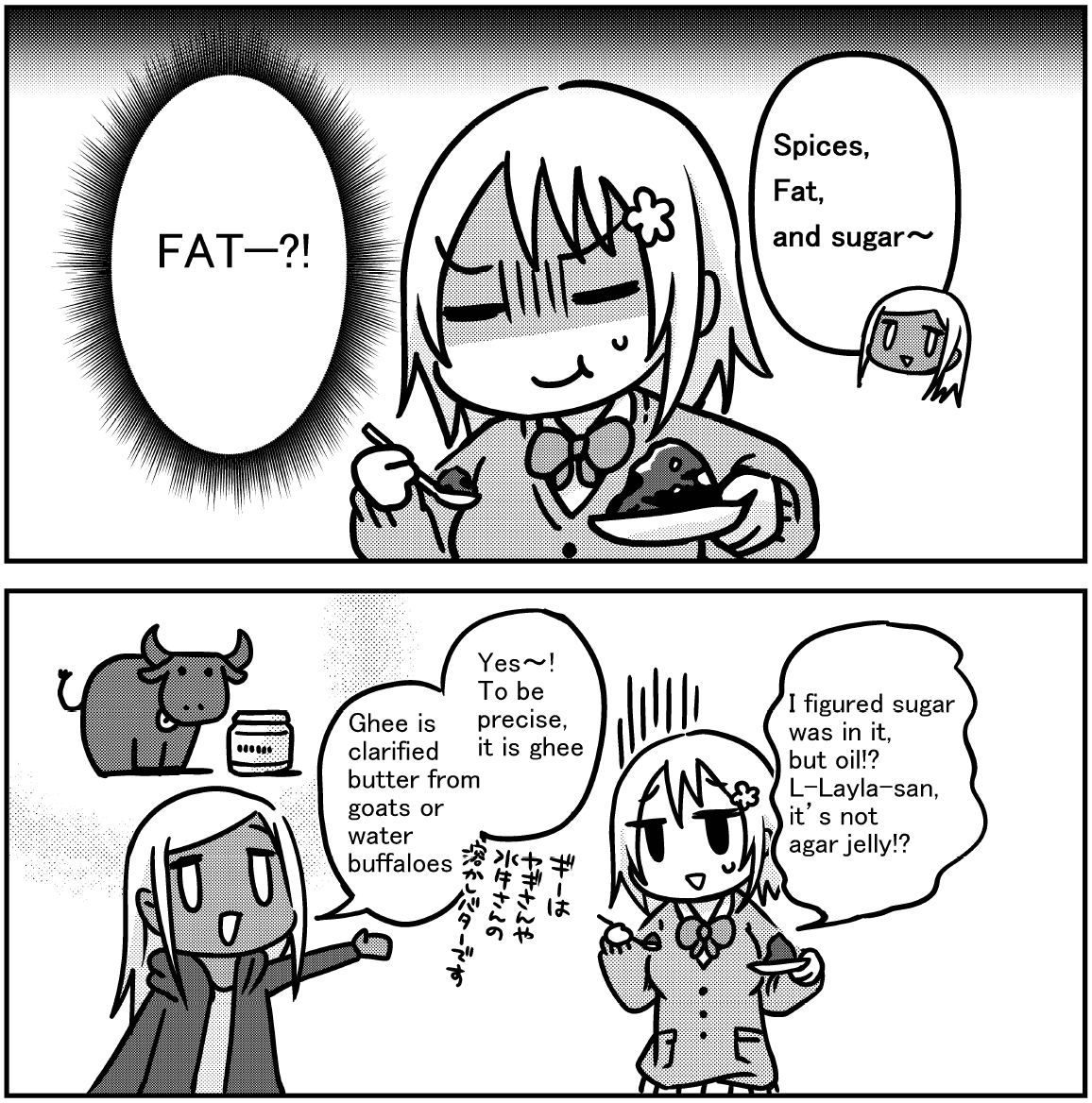
Layla-san’s friends were amazed by the taste and texture of the halwa that was delivered by Layla-san’s cousin, who is based in Dubai. The halwa is usually made with ghee, sugar, and a mixture of spices and nuts according to Layla-san's description.
While this description is broadly correct, it should be noted that cornstarch is also an important ingredient. The addition of cornstarch creates the distinctive soft texture that makes Halwa so unique.
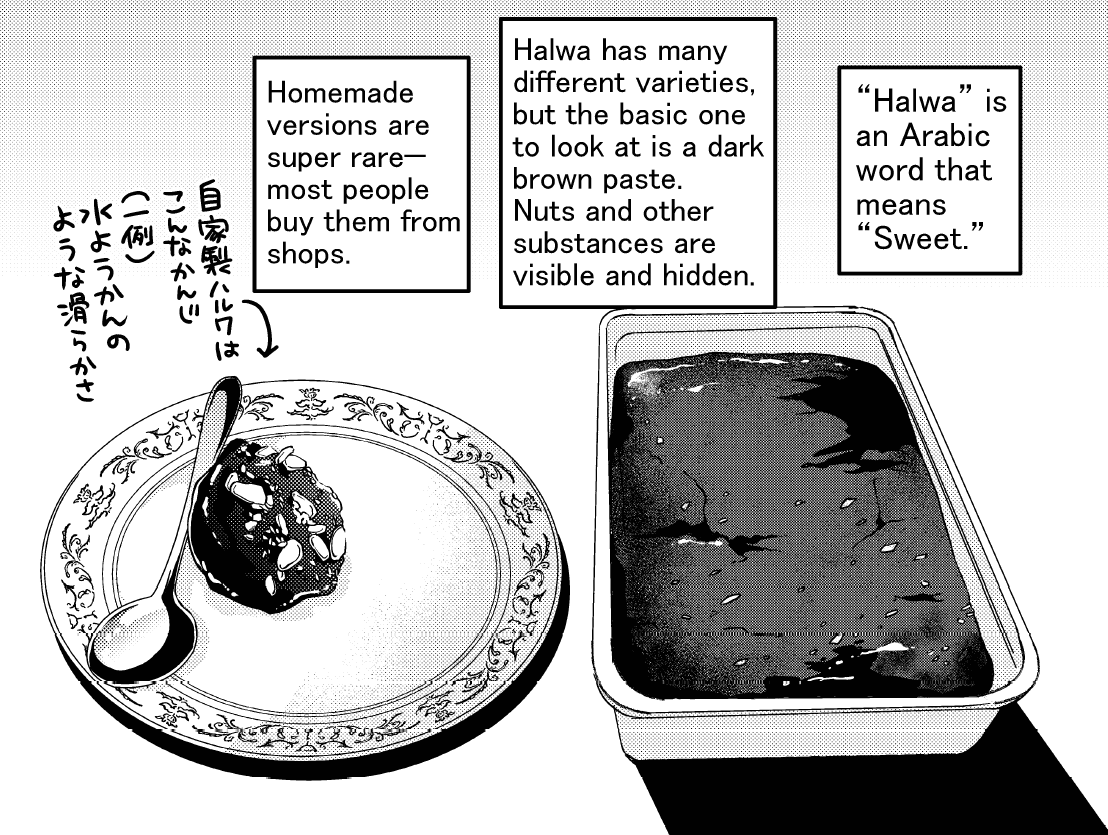
The manga mentions homemade halwa, which is considered extremely rare and valuable. Even many Emiratis have few opportunities to enjoy it, and that’s why many people are buying it from shops. Serving homemade Halwa in an Emirati household is considered a rare and memorable experience.
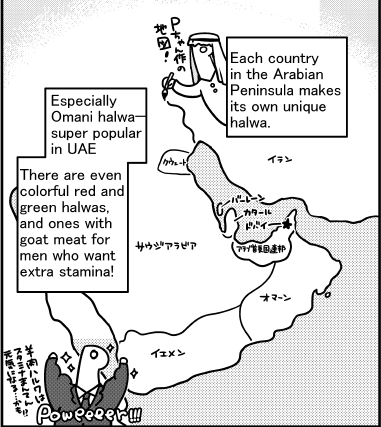
As mentioned earlier, each country in the Arabian Peninsula has its own unique version of Halwa, where the Omani Halwa is the most popular throughout much of the Arabian Peninsula, including the UAE, Saudi Arabia, and Kuwait.
Other kinds of halwa have different colors, such as red, yellow, and green like Bahraini Halwa.
Therefore, referencing the popularity of Omani Halwa in the Arabian Peninsula, as well as the manga's description of colorful Bahraini Halwa, is accurate.
Halwa is also a sweet deeply rooted in UAE culture and is commonly served at weddings and various social events.
Traditionally, it is presented in large deep bowls or containers. In recent years, however, individually packaged cups have become increasingly common for hygiene reasons, so the manga’s description is also accurate.
The Halwa versions in some countries outside of the Arabian Peninsula are often known as Lahash, and people usually get them mixed up.
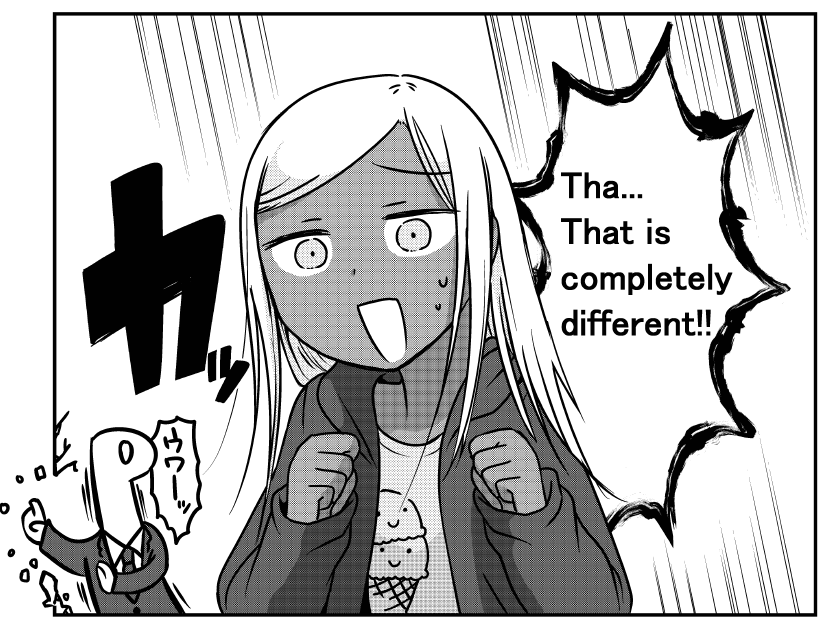
At the beginning of the manga, Layla-san reacts strongly when the P-head producer mistakenly purchases Lahash, believing it to be Halwa. Although the scene is exaggerated for comedic effect, the reaction reflects a genuine cultural distinction. In the UAE and neighboring Gulf countries, many people would immediately point out the difference if someone referred to Lahash as Halwa.
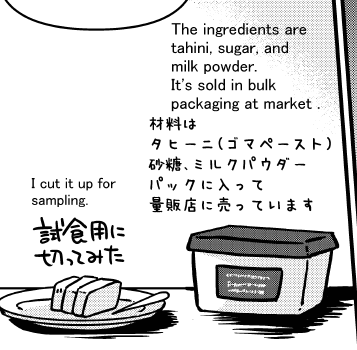
Rahash is a specific type of tahini-based halwa popular in the Gulf region (specifically in the UAE, Qatar, and Kuwait), characterized by its dense, crumbly, and nutty texture, whereas "halwa" is a broader term for various sweet, often pudding-like, confections across the Middle East and South Asia. Rahash is essentially a sesame-forward subset of the broader halwa family, often described as a Middle Eastern "nutty fudge."
It is also worth noting that some Japanese publications have introduced Lahash as Halwa.
This can contribute to misunderstandings regarding Arabian confectionery traditions. In Gulf culture, the word "halwa" is most commonly associated with Omani halwa.
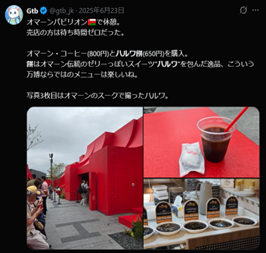
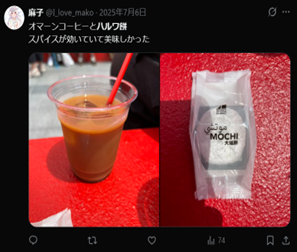
The Omani halwa was served at Expo 2025 Osaka at the Oman Pavilion last year through an innovative fusion with Japan’s beloved mochi that combines Omani halwa with the soft, rice-based mochi, offering visitors a truly cross-cultural taste experience.
The manga showcases an interesting and educational presentation of Arabian sweets to Japanese and international readers, who want to know more about the origins of them.
Here are some of Layla-san's recommended shops for halwa in the UAE.
Al Harrasi Omani Sweets
Located in Dubai's Festival City Mall and Deira.
Alramz For Omani Halwa
Located in Musaffah in Abu Dhabi.
Golden Falcon Omanian Halwa
Located in Al Sa`Adah in Abu Dhabi.
Al hallaniyah Omani halwa
Located in Nad Al Hamar in Dubai.
Al Sultania
Located in Al Shahamah in Abu Dhabi.