
Energy cooperation remains vital for Japan-Russia relations amid security tensions
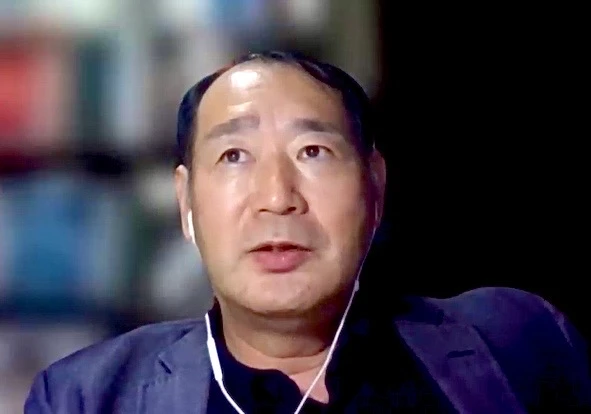


TOKYO: Taisuke Abiru, a Senior Fellow at the Sasakawa Peace Foundation, sees energy cooperation as the most promising path to advance Japan-Russia relations. Key opportunities include the Sakhalin-2 LNG project, the Northern Sea Route, and Arctic resource development.
At a Foreign Press Center Japan (FPCJ) conference on October 13, Abiru noted that turmoil in the Middle East highlights the need for Japan to secure energy ties with Russia. He emphasized the countries' close proximity, separated by only 3.7 kilometers at their nearest point. Their sovereignty and security interests are closely linked, resulting in ongoing mutual influence in areas such as the Northern Territories dispute, regional security, and maritime logistics.
Current Diplomatic Impasse
Since the onset of the war in Ukraine in February 2022, Japan-Russia relations have deteriorated to their lowest level since the Cold War. Japan’s participation in G7 economic sanctions led Russia to designate Japan as an "unfriendly country" and to suspend peace treaty negotiations.
The main source of tension is the long-standing territorial dispute over the four southernmost islands of the Kuril chain, known as the Northern Territories in Japan and the South Kurils in Russia. The Soviet Union occupied these islands at the end of World War II, and they remain contested. Japan considers them inherent territory under illegal occupation, while Russia claims full sovereignty. Negotiations have stalled, largely due to Russian concerns that the United States might militarize the islands if they are returned to Japan.
Prospects for Future Diplomacy
Despite these challenges, Abiru remains cautiously optimistic. He notes that President Putin’s view of Japan has been consistent for the past decade, favoring a two-stage approach: first building trust through a peace treaty, then addressing territorial issues. This mirrors the model Russia used to resolve its border dispute with China.
Abiru pointed to the 2018 SingaporeAgreement as a bold, top-down push to jumpstart negotiations by invoking the 1956 Japan-Soviet Joint Declaration. Yet, the effort ran into fierce domestic resistance in Russia, particularly from regional residents and nationalist groups. This backlash paved the way for 2020 constitutional amendments that now block any transfer of Russian territory.
Strategic Considerations
Abiru also explored the Russia-China dynamic, noting that while Russia regards China as a vital strategic partner, its policy circles are keenly aware of the partnership’s boundaries. Russia recognizes the importance of diversifying its diplomatic relationships, with Japan still holding strategic weight. Even amid ongoing tensions, President Putin has affirmed that Russia’s stance toward Japan is unchanged.
The central challenge in Japan-Russia relations has shifted from territorial disputes to mounting security concerns. Japan is ramping up its defense capabilities in response to perceived threats from China and North Korea. Russia, in turn, sees these moves as proof of deepening Japan-U.S. military ties, which it regards as a threat.
During the question-and-answer session, Abiru acknowledged Russia’s primary responsibility for the war in Ukraine, but argued that missteps in NATO’s eastward expansion by the United States and Ukraine also fueled the crisis. On the territorial dispute, he brushed aside fears of a Russian invasion of Hokkaido and underscored the urgent need to lower the risk of accidental military clashes.
He concluded that future progress should start with small-scale trust-building measures, such as allowing former Japanese residents to visit relatives' graves on the islands once the war in Ukraine ends. "Ultimately, Japan must continue to navigate the delicate balance between maintaining sanctions and ensuring its own energy security."