
Japanese enjoy Mountain Day
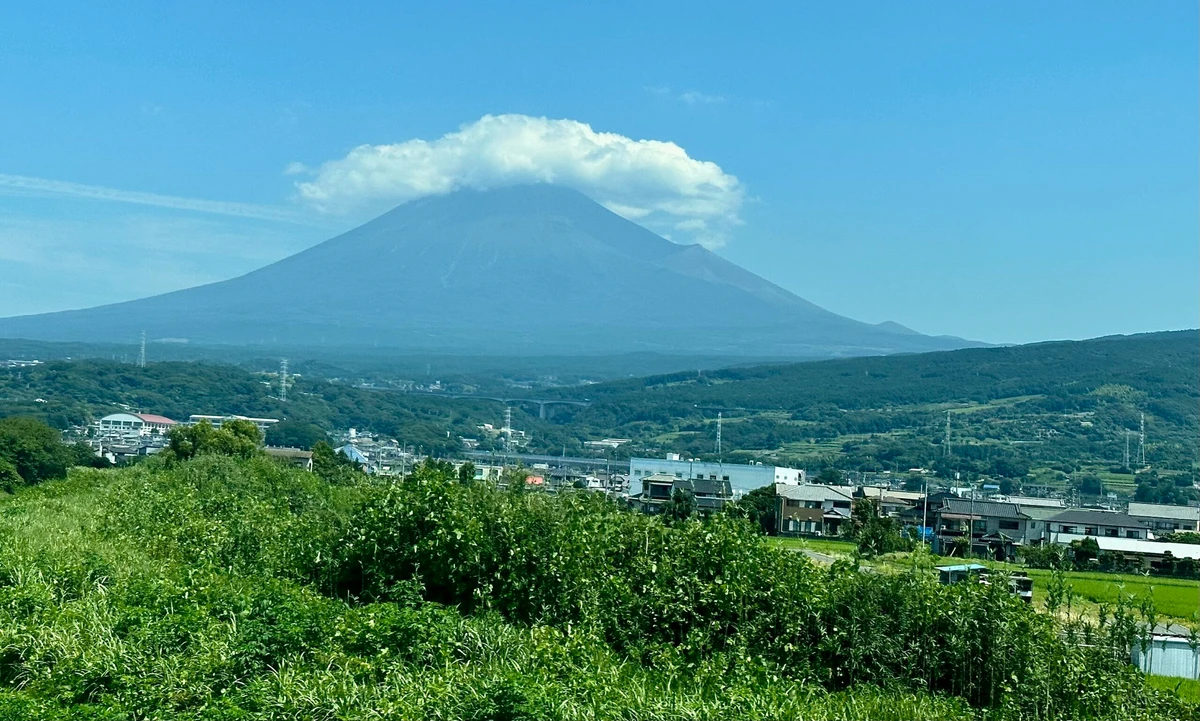


TOKYO: August 11 was Mountain Day in Japan, the youngest of the country’s national holidays, starting in 2016 to celebrate Japan’s many mountains.
Japan’s territory is 70 percent mountainous and while there are national holidays celebrating the sea (Marine Day in July) and the land (Greenery Day in May), the government decided in 2014 that a day should be set aside to mark the country’s glorious mountains.
August was chosen as it was one of three months in the calendar without a national holiday. While December has no official holiday, most companies close from December 29, so it has a de facto holiday, while poor old June is left bereft, with nothing to celebrate at all.
There may have been another reason for selecting the middle of August as that is the unofficial – but very real – holiday known as Obon, when Japanese pay respects to their ancestors. Obon is not a national holiday, but most companies recognize it as such and usually grant employees three days’ vacation time.
Augustis also part of the unofficial “climbing season”in Japan, particularly for Mt. Fuji, which is the most well-known symbol of Japan. It’s hard not to buy a souvenir from Japan with a representation of Mt. Fuji on it. The great Japanese artist Hokusai also featured Fuji on many of his works.
Fuji is the tallest mountain in Japan at 3,776 meters (12,389 feet) and it is the ambition of many Japanese to climb to its summit at least once in their lives. In fact, climbing Mt. Fuji has become so popularin recent years, there are now restrictions on how many people are allowed to make the exhausting climb, which usually starts halfway up at a place called the Fifth Station.
The area around Fuji is known for its hot springs resorts and is a reminder that Fujiis not just an elegant symbol of Japan, but also a symbol of nature’s violence. It remains an active volcano, with the last eruption occurring 300 years ago.
Othervolcanoesin Japanare far more active, and some quite deadly. Sakurajimain Kagoshima is Japan’s most active volcano and residents of the islandon which it sitsare frequently evacuated.When Mt. Oyama erupted on Miyake Island in2000, all residents had to leave for four yearsand were required to carry gas masks with them for a while.Mt Unzen, also on the southern island of Kyushu,is one of the deadliestof Japan’s volcanoes, triggering a “megatsunami” that killed 14,524 people in1792 and a pyroclastic flow that left 43 people dead – including many volcanologists – in 1991.
But for most Japanese, its beautiful mountains are a source of peace and spiritualtranquility, with strong connections to Japan’s Shinto beliefs.To the Japanese, mountains are living symbols of life.
Of course, they also want totake advantage of what the mountains have to offer, be it hot springs, climbing,greenery or skiing. The Japanese don’t have far to go to find a mountain to enjoy.